in French a « ballade » can be a song or a stroll.
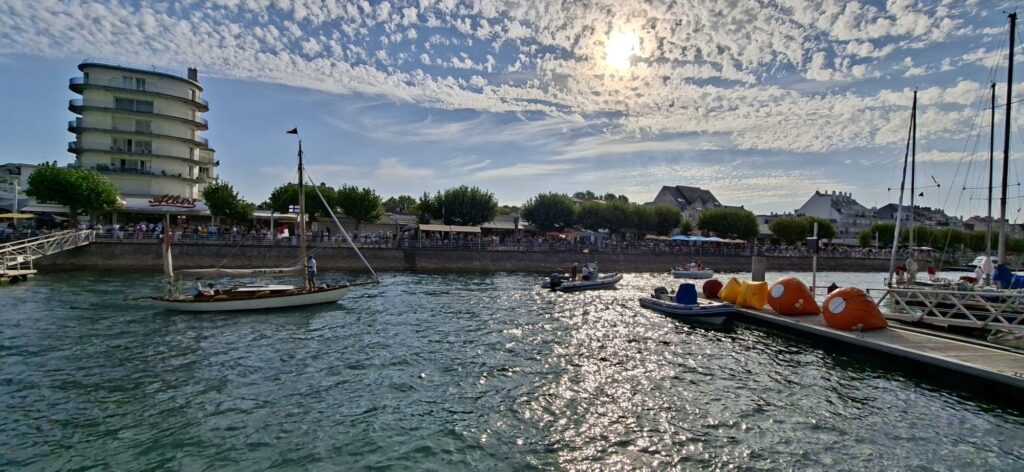
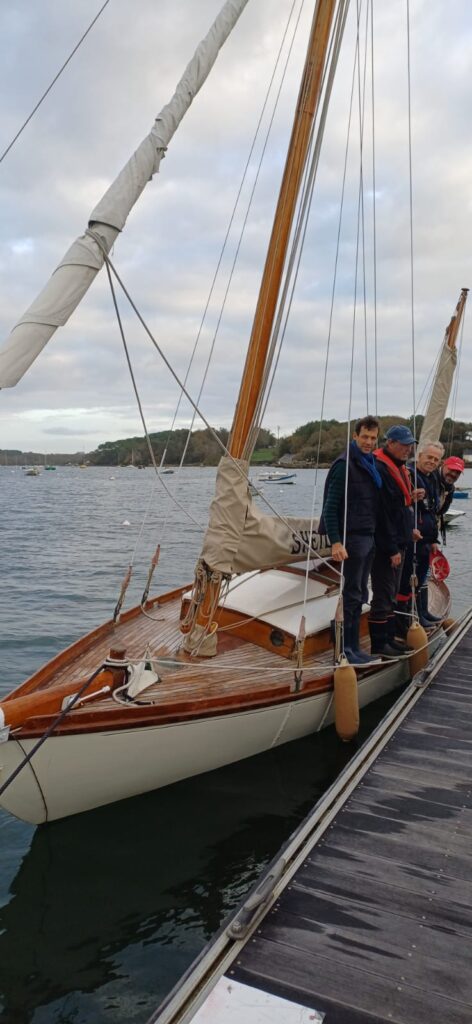
This « Ballade des Îles » took us to l’Ile-aux-Moines.
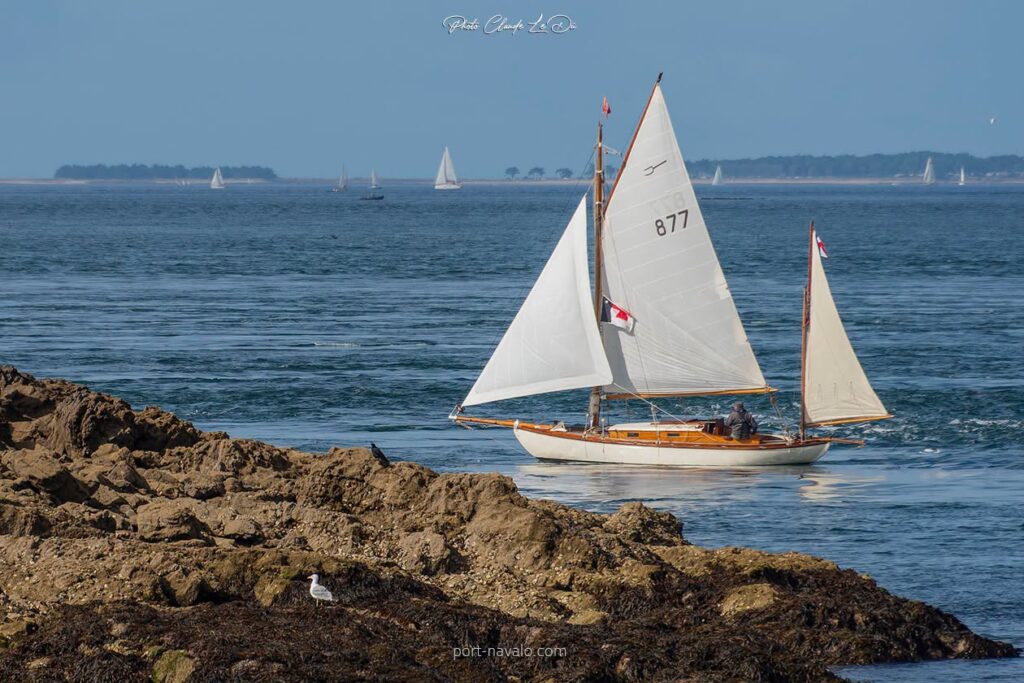
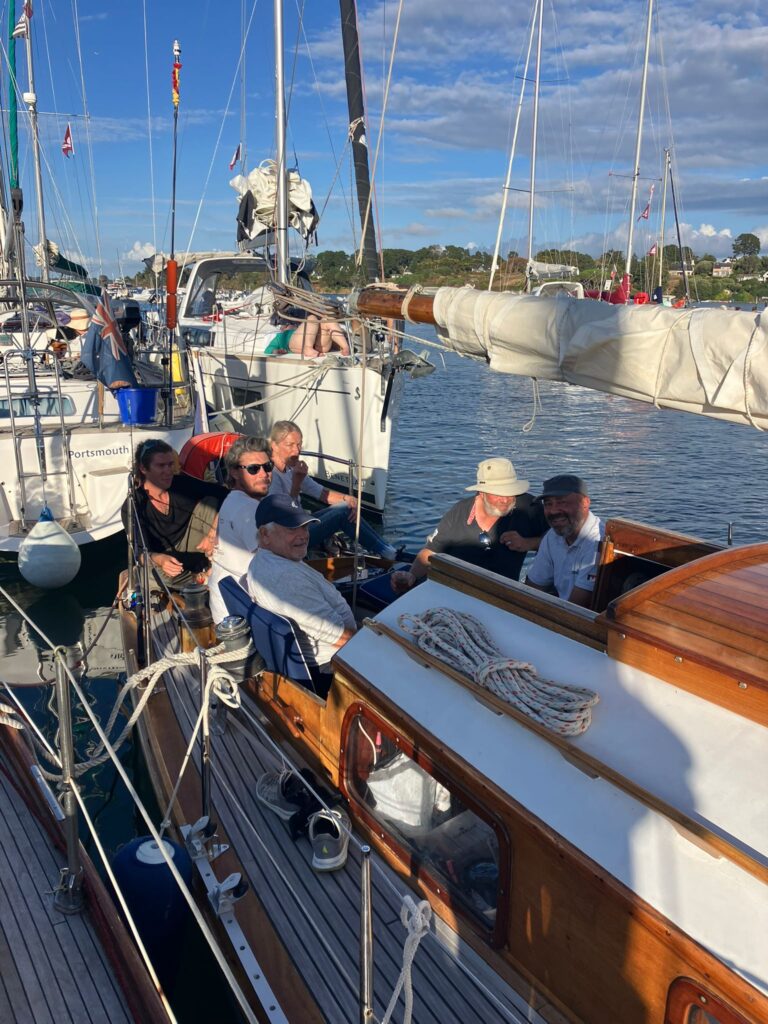
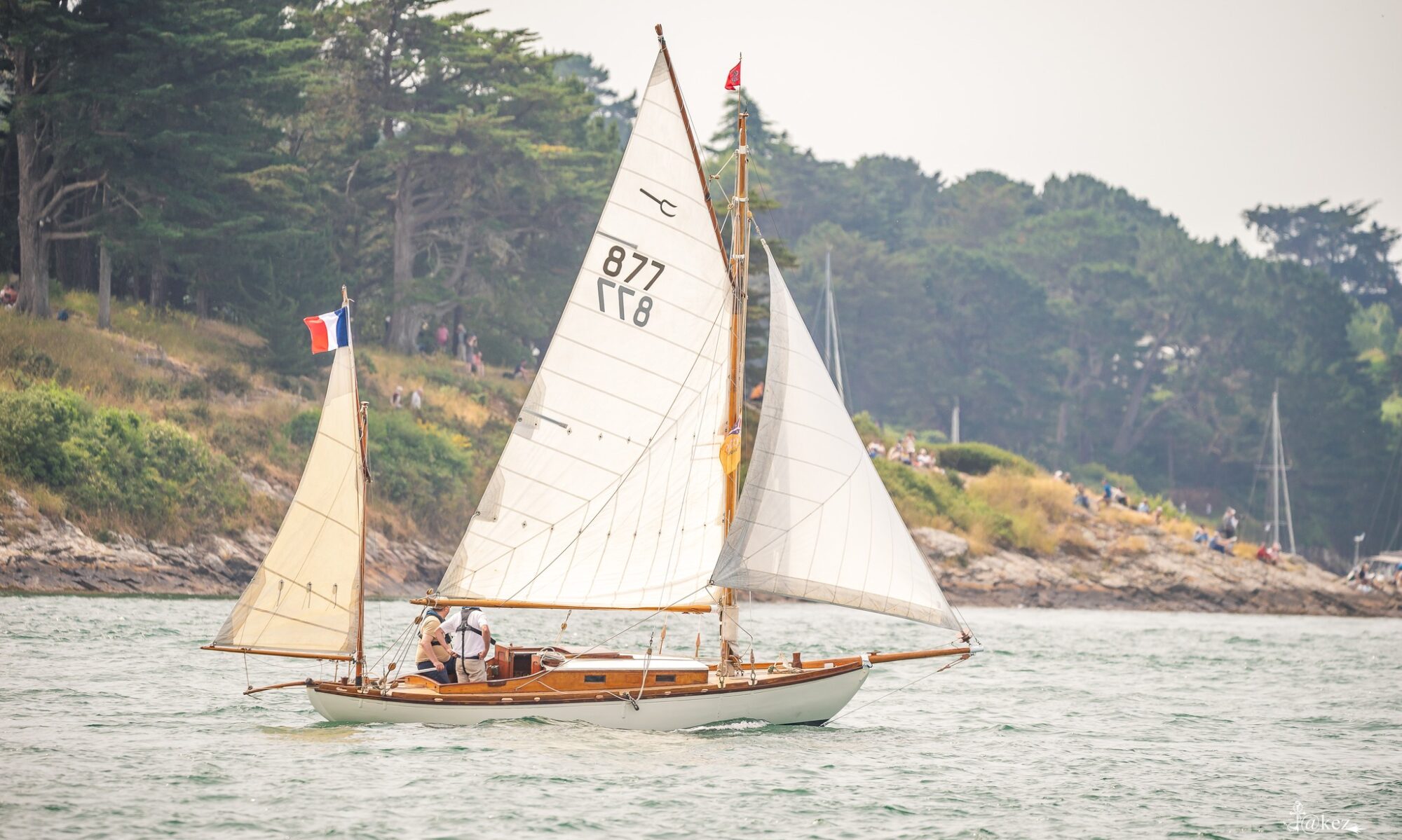
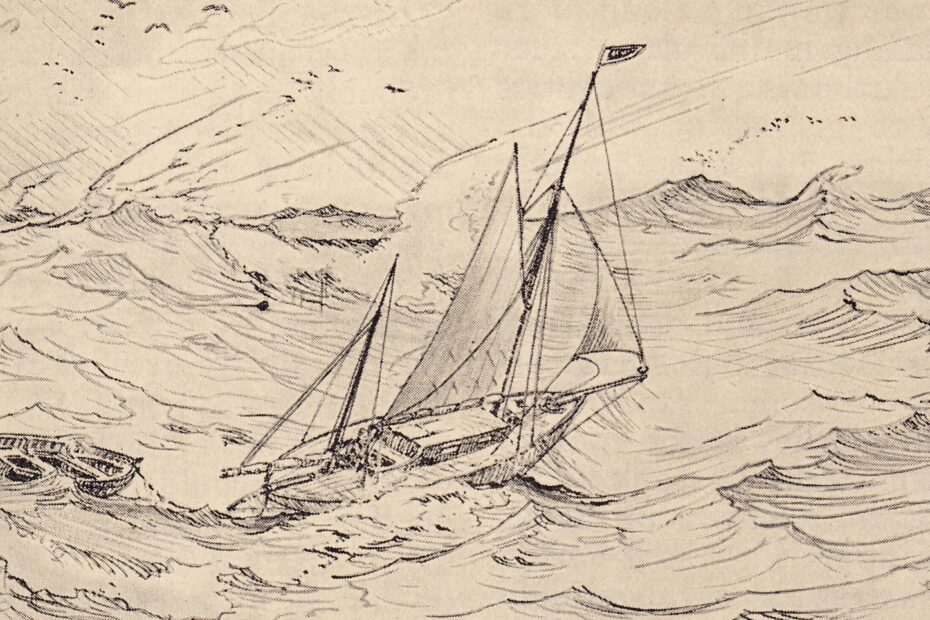
"A little lady who has had a romantic history beyond that of many because she has always been deeply loved."
in French a « ballade » can be a song or a stroll.
This « Ballade des Îles » took us to l’Ile-aux-Moines.
(this article was initially posted on the Albert Strange Association website in 2005.)
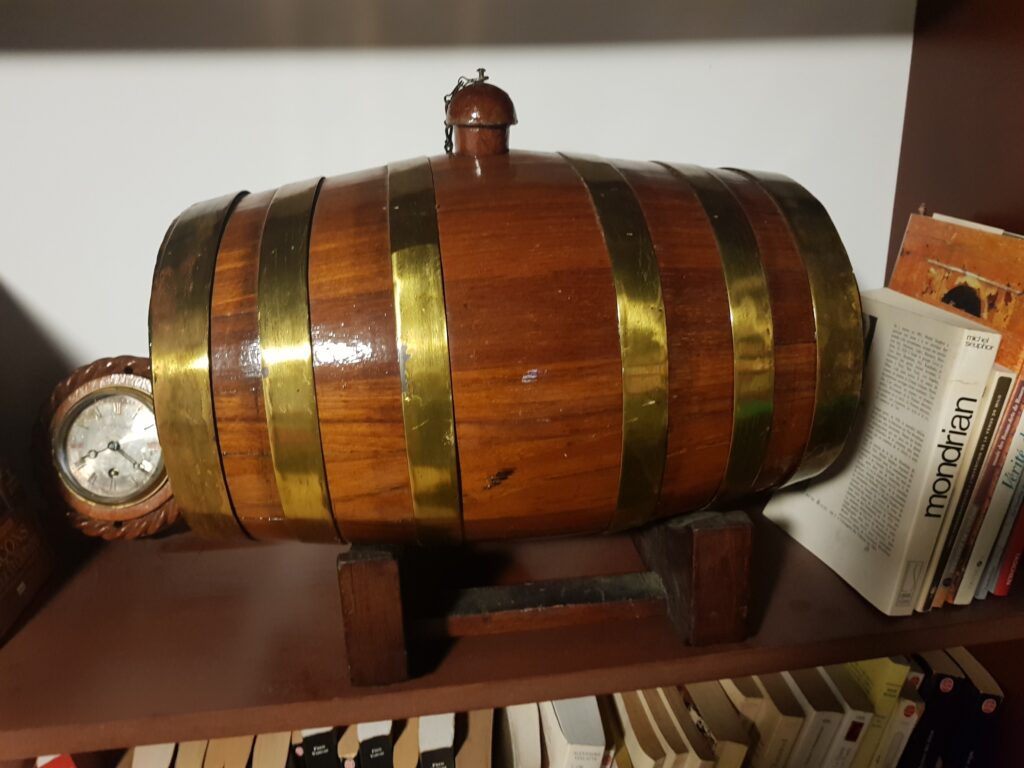
On even the nicest old boat, so carefully restored, it is difficult to spot anything that is absolutely of its time, a thing of a vanished past unattainable today that places her at that time precisely; yet SHEILA has one. I have had her original oak ‘water-breaker’ since I have owned her (1978), handed down lovingly from owner to owner, but I fancy it has not been at its historic position behind the mast on deck for very many years.
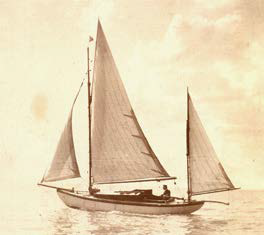
She is 100 next year 1905 – 2005.
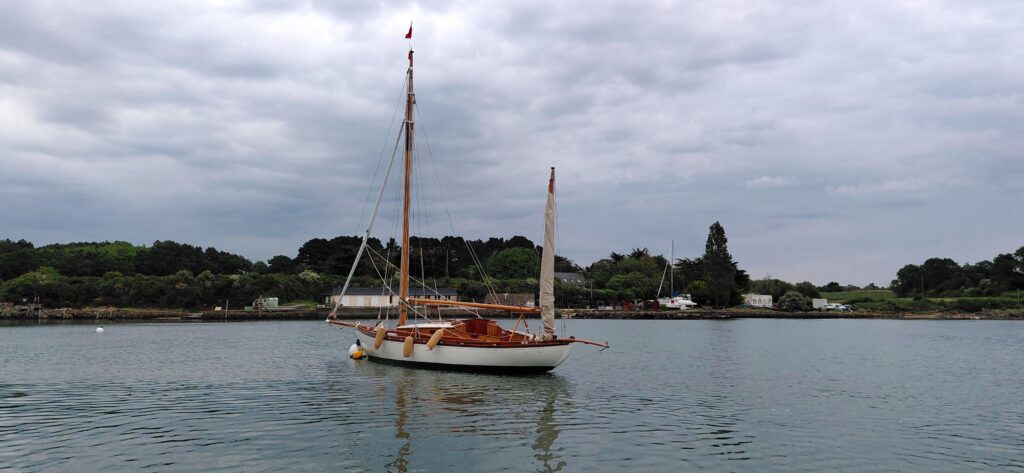
In the little photo of 1911 that accompanies my article A Window Opens there is that little barrel exactly as it is shown in the beautiful Groves drawings. With her centenary coming up it seemed suitable to restore it to re-mount on the deck as before; while doing things like this one muses. It struck me that such things were rapidly superceded, most certainly after the 1st war, when internal tanks became the norm, yet in 1905 they were the obvious solution to water provision, for the complexities of internal tanks on little boats were an engineering thing to come; so here was a piece that identified her as exactly of her time.
Its construction would be a considerable thing today for the skills having largely vanished yet even in its ritzy oval form it was a commonplace then; indeed available from yacht chandlers (FIREFLY has one too) for a few pounds. Examining it as I restored it is apparent that its oval form makes for several different stave widths to achieve the oval while those binding strips which we see on barrels are not plain strips as if they were they would stick up on one edge, they are cut as sections of a cone! It is almost impossible to spot the stave joints so well does it fit; a thoroughly beautiful, but then commonplace, artifact. I have few doubts that immediately it is secured in its original place it will excite comment for who has a brass-bound wooden barrel on deck today?
Despite my passion for her being as close as I can (most certainly in spirit) to what Robert Groves took possession of in 1905 there are still a few things that are different. Though I have the original “Clyde” cooker, it lived forward of the bunks under the foredeck with the bunk-heads against the cabin doors, which was the fashion of the age; when I restored her first I had no interior so a wet locker and the cooker now sit by the cabin doors (modern style) with the bunks shifted forward to match. This is the main detail that Groves would notice if he stepped on board, after I have put the barrel back for her centenary this winter, except the lack of the ‘Oxford’ sculls laid on deck to row her with.
It would take a little longer for him to spot the extra mizzen shroud and the ritzy fully swept deck that Capt Pat Walsh (he in the photograph) instituted in his rebuild after her wreck in the 1914 Dublin storm; I reckon their provenance justifies their survival but a couple of years ago (at Pete Clay’s suggestion) I abandoned the spreaders he fitted as unnecessary on so short and stiff a mast, and she looks much prettier for it. It would take Groves a hard sail to recognise that she is now a little stiffer too for Walsh put a filler between the iron keel and the wood keel to deepen her draft by 5″. He might notice that the jib is set on a slightly stiffer sprit (it holds the whole rig up) and is a touch longer in the foot for it overlaps now when it did not originally; this extra area aft of the mast improves her performance greatly which is a huge benefit in the close waters of the Deben, so allows me to keep sailing her without an engine, though it does detract from that very ‘original’ look in the 1911 photo.
A detail I spotted in that little photograph is that she originally had doubled jibsheets (to be re-instituted this winter) whose detail is interesting; the jib clew had two very long tails with the purchase blocks in their ends such that each block never crosses the mast when tacking, each sheet passing from a point on deck alongside the cabin coaming, up through its clew block and then down aft to the sheet cleat, giving a 2/1 purchase. Today’s sails are plastic and mitre cut, but again the sailing performance is much enhanced; I have always reckoned that these small changes to the sails, actually very modest, allow me to keep her engineless as she was originally to savour the very real gains to be had from sailing without an engine; with much less performance I could not do it in such confined waters.
Being, for her date of 1905, so modern she does not really look like a centenarian now so I am hoping that little barrel on deck will give the game away when we have her centenary birthday next season.
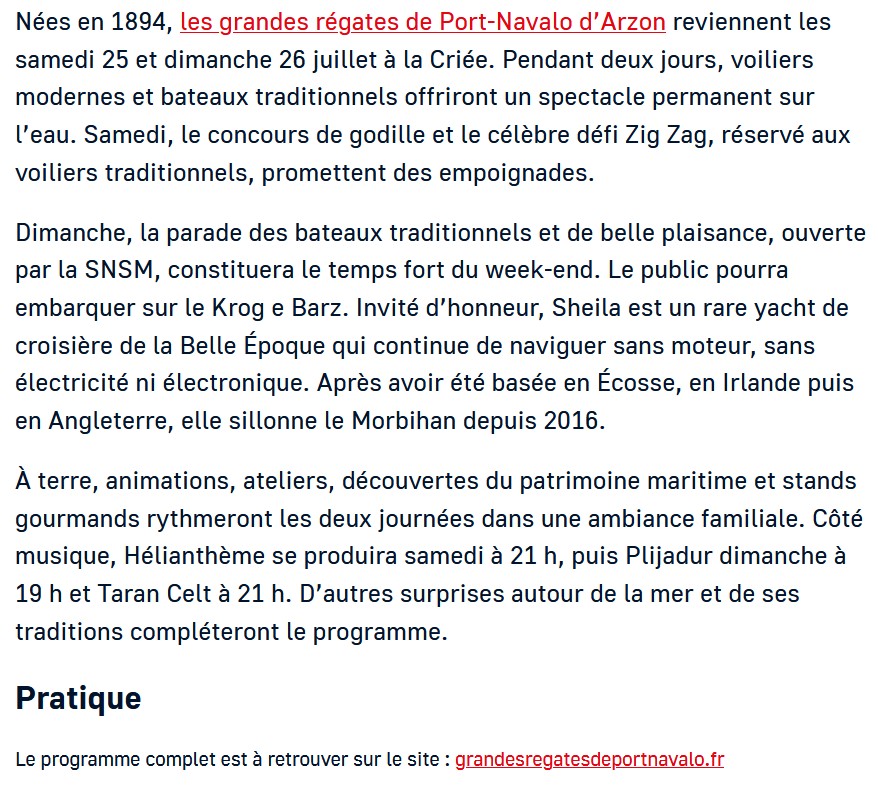
Sheila was put back to her favorite element on 29 April.
Although it was a bit late in the season for her, not a leak !
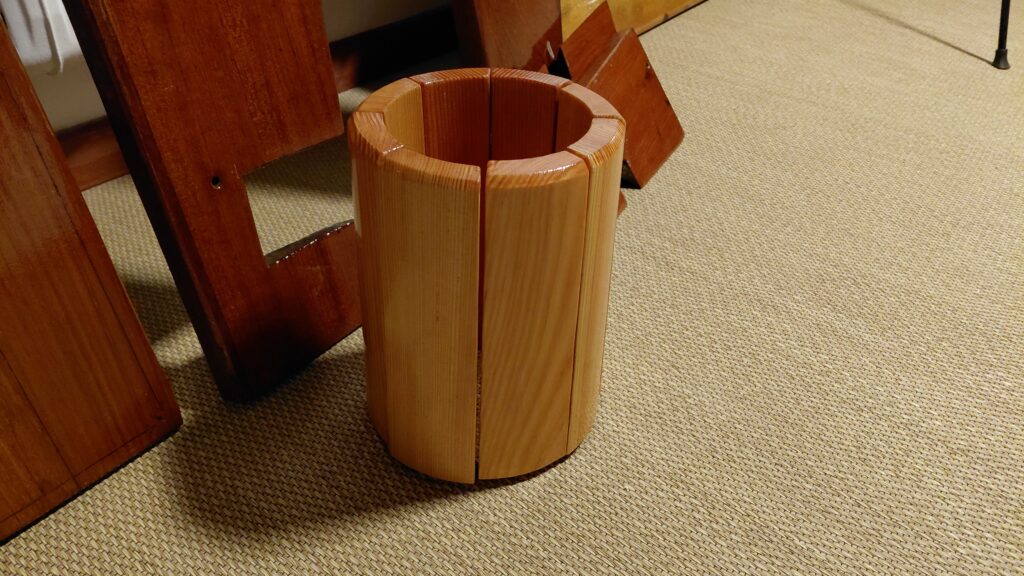
This year we only have a small number of new features to show. I am starting with this one as Sheila needed a mast collar – wedges around the mast to limit movement and water ingress.
Isn’t that a beautiful job by Loïc and his team at Chantier de la Bascatic ?

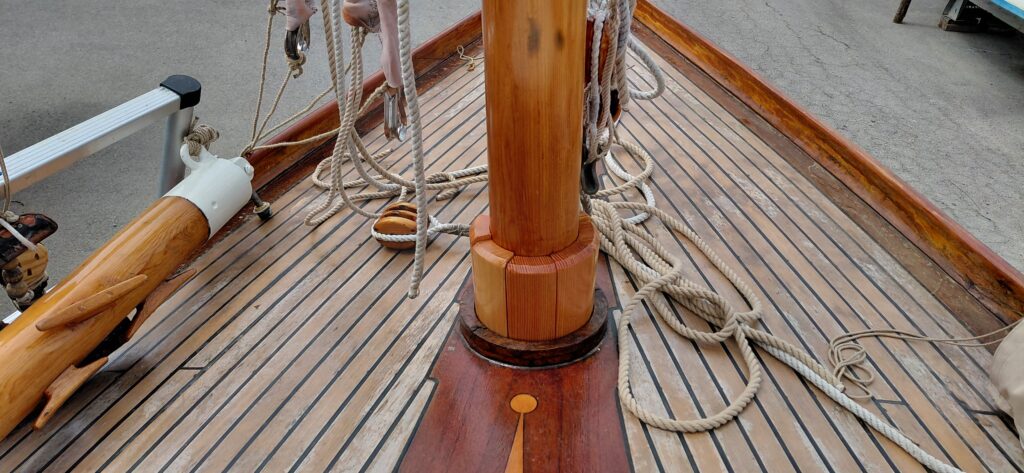
Sheila also needed a steering compass, for many reasons including navigation safety, and I wanted to be able to store it inside the cabin when not in use.
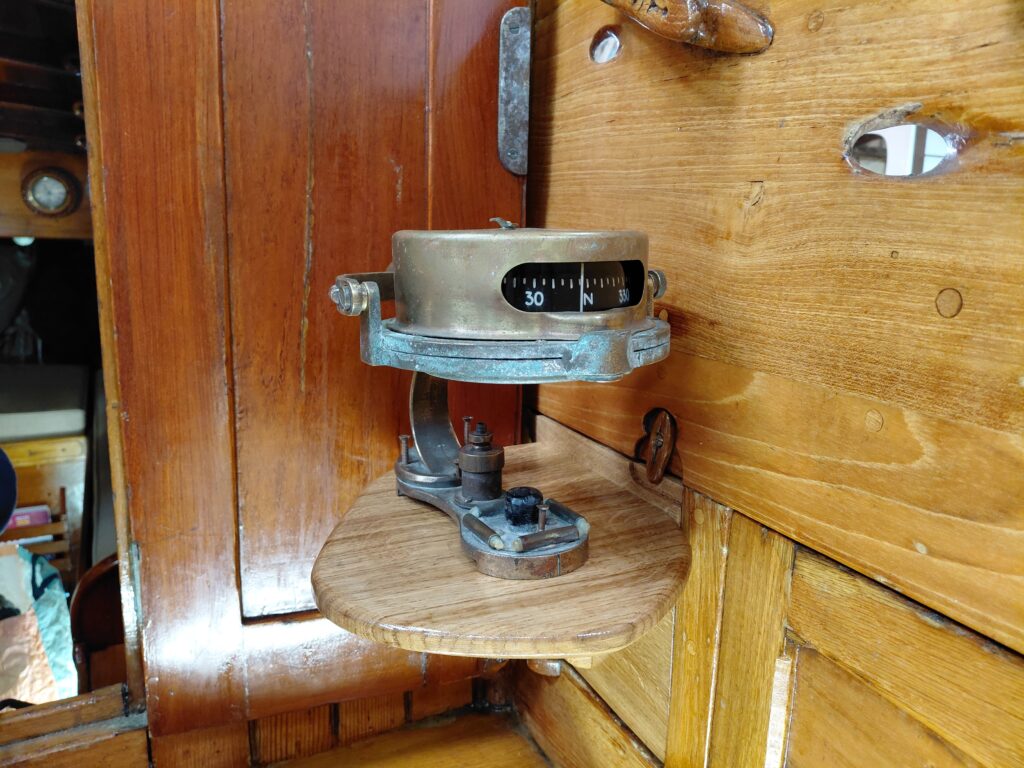
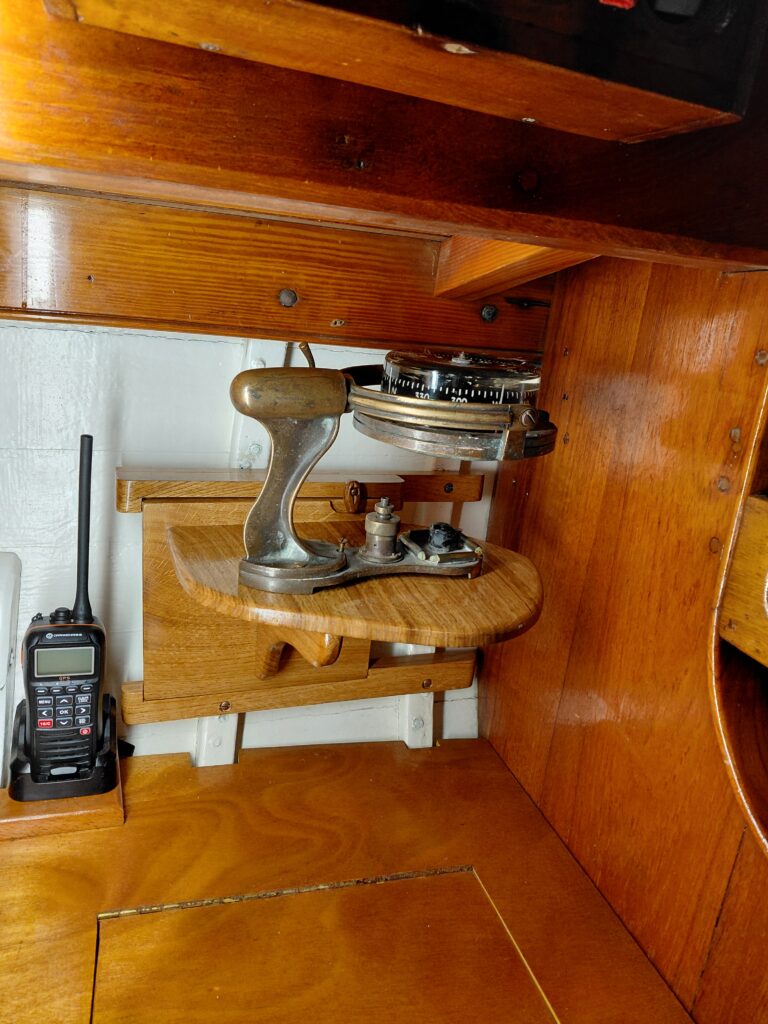
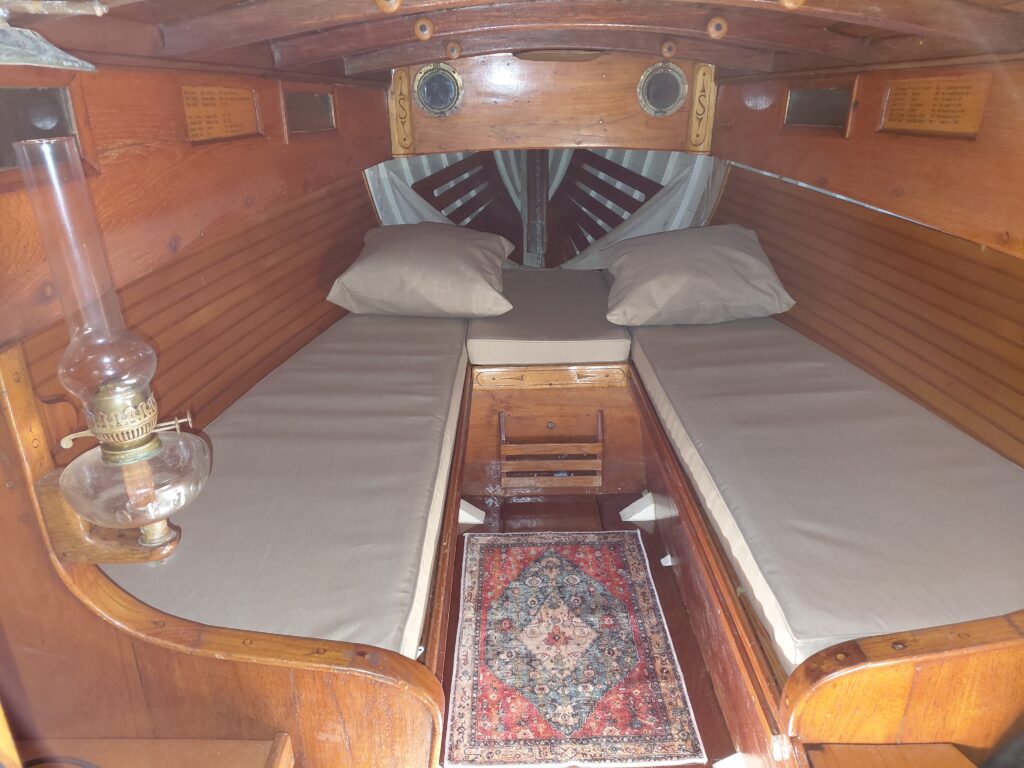
The compass is a new feature, and to compensate, I wanted to bring back some old features : proper bunks, two matching cushions, and a little carpet. Just like in 1906.

Finally, I wanted to restore the dead eyes which have disappeared in the 1990’s. They are back now, along with a new rigging.
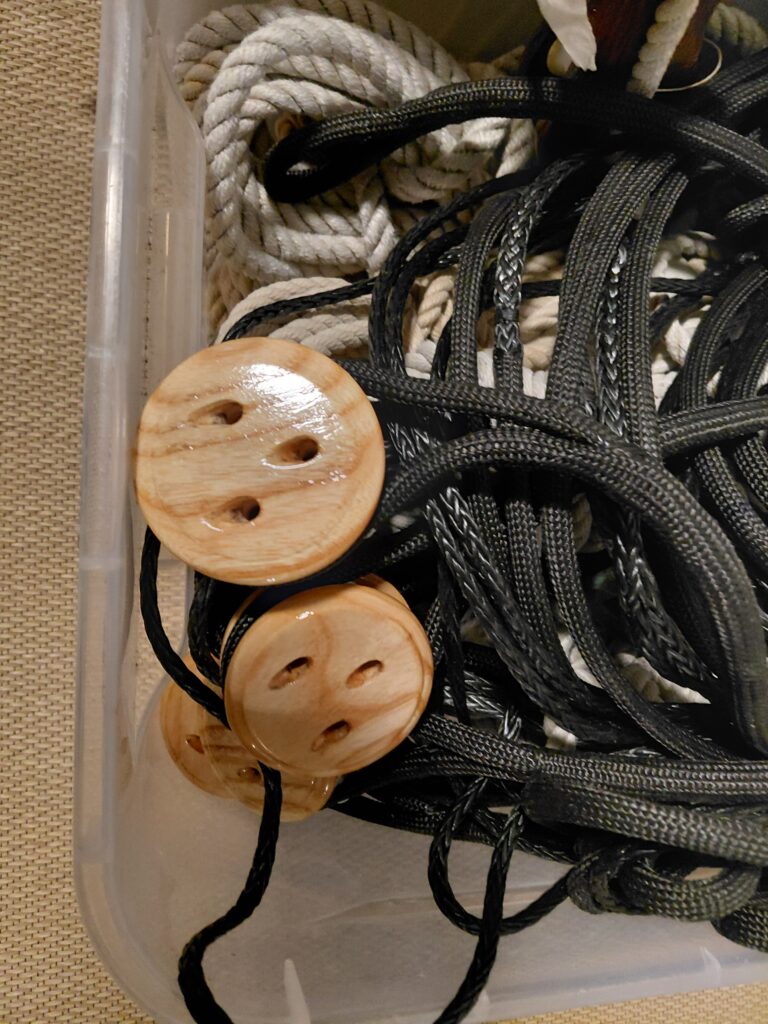
More to come !
After 120 years of sailing, on cruising grounds such as the Hebrides, Ireland, Scotland, East Anglia and Brittany, Sheila became French … and then we discovered she was not fit for proper coastal navigation anymore !
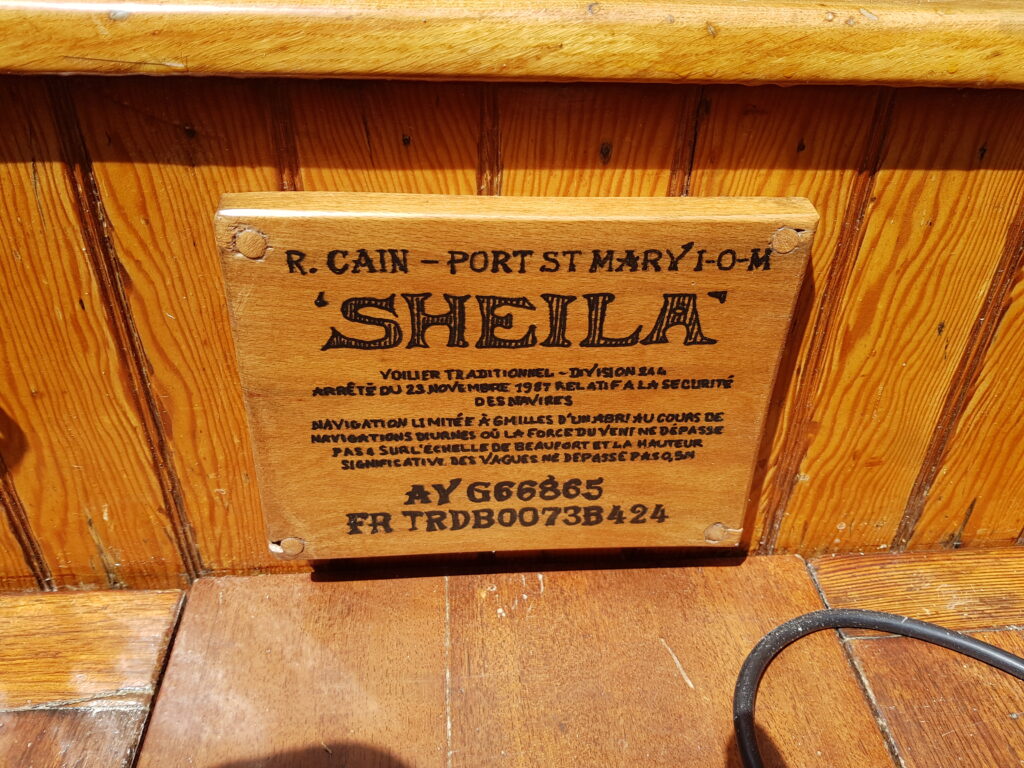
That’s the way it is : in 1905, on the Isle of Man, Robert Cain, her shipwright and Albert Strange, her architect, did not consider to provide her with the CE certificate that proved she was built following European guidelines. It is most likely that they never imagined that any such thing would ever exist.
Incidentally, on top of that, they did not bother with VAT either, even in dreams. When Sheila was registered in France, two years ago, this first hurdle was passed : after some years of battling with the French Administration, someone in his right mind over there (yes, such people exist) took ownership of the case and finally concluded that we could overcome the absence of VAT certificate. Let us be reminded that Sheila was built in 1905 and that the concept of VAT dates back to German industrialist Wilhelm von Siemens, in 1918. VAT was never implemented before 1954 (first by the French, in the Ivory Coast – but not in France until 1958.) Obviously, then, Sheila had been sailing for a while. She was persevering in 1968 when VAT became European, and in 1973 when she joined the EU along with the British. And then she remained European when she went French in 2016, before Brexit.
So Sheila was allowed to fly a French flag, but since she did not have her CE certificate, the condition were that she stayed in the harbor whenever the wind was above force 4, or the waves more that 50cm, that she did not sail during the night, or get too far from a shelter (6 miles.) In summary Sheila was allowed to sail except in winter, or on any summer afternoon, when the wind is more that force 4 – so everyday in Brittany, if the sun is shining.
We had a second hurdle to overcome and for this one, the French Administration did not feel enthusiastic. The regulations are relatively clear (this is Division 244) and are European level. In summary : for a coastal cruiser, the rubber stamp people are not expected to be knowledgeable. A naval architect assesses the stability of the ship, provides a certificate to the administration and there you are. In practice : not quite that simple.
Fortunately, Sheila had a very good British architect who designed her, and now she found a very good (and famous) French architect who assessed her. François Vivier did a wonderful job.
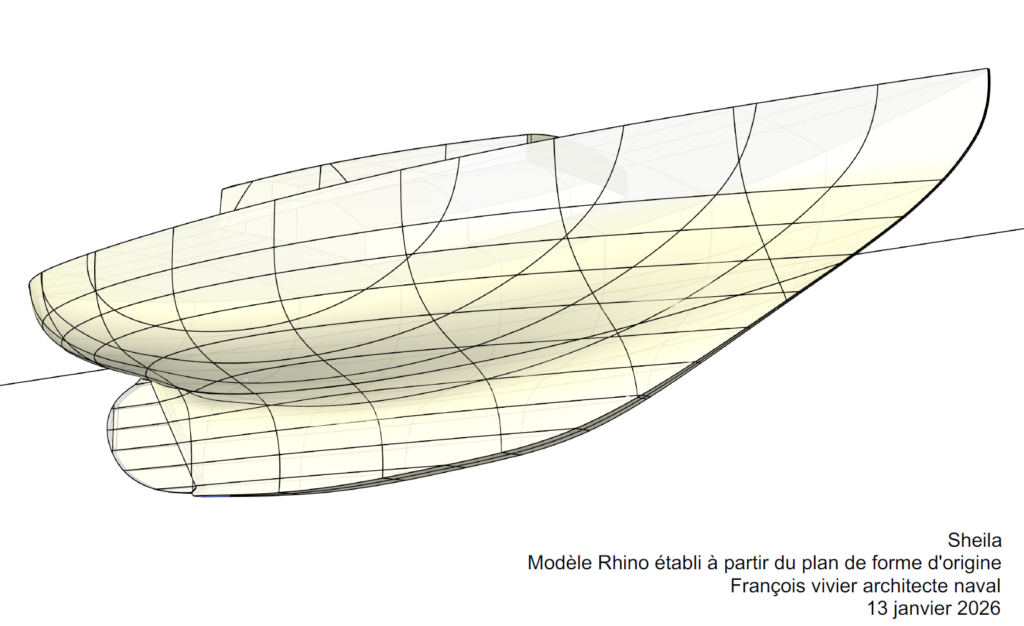
François modeled Sheila in his computer and discovered that it takes 60° of heeling for her to start letting water enter the cockpit. The minimum requirement is 35° for a coastal cruiser.
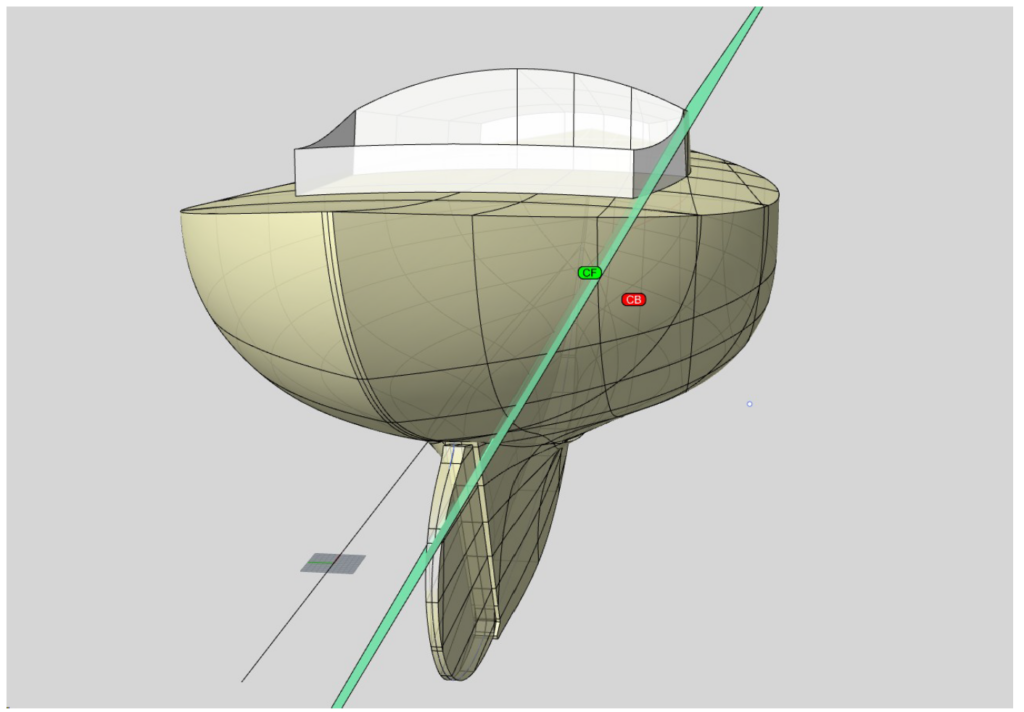
With a strong force 6 wind, and in the very unlikely scenario that she is not under jib and mizzen but still sports her main with two reefs, her heeling angle would be 38°, with four people in the cockpit. On such a very unpleasant sailing day, Albert Strange’s motto would be demonstrated again : the weak link in the chain would be the crew and not the ship.
Obviously François did not only look at the computer modeled theory : we checked the stability parameters in real life, with the real boat and a real crew.
So Sheila is now a category C. She is deemed safe to go sailing when the wind is below force 6. With our security equipment on board, she still needs to be less than 6 nautical miles away from shelter and she would need a life raft to get further. For 120 years she has sailed under these conditions (and probably worst) and always kept her crew safe. Now she is compliant as well, and that is a good thing if she wants to sail to meet Tally-Ho someday.
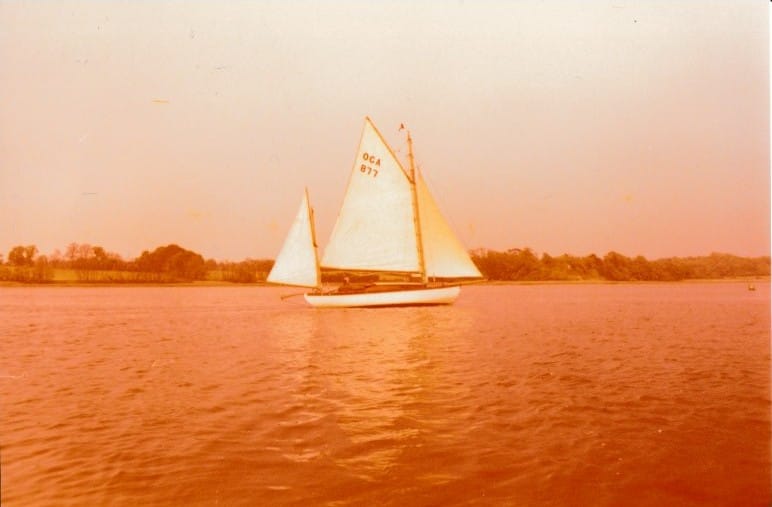
This is Sheila on April 11, 1980.
She was parading for the Albert Strange Association AGM, along with Firefly.
The newly reinvented water line was not quite right yet.
Thank you Jamie for the picture !
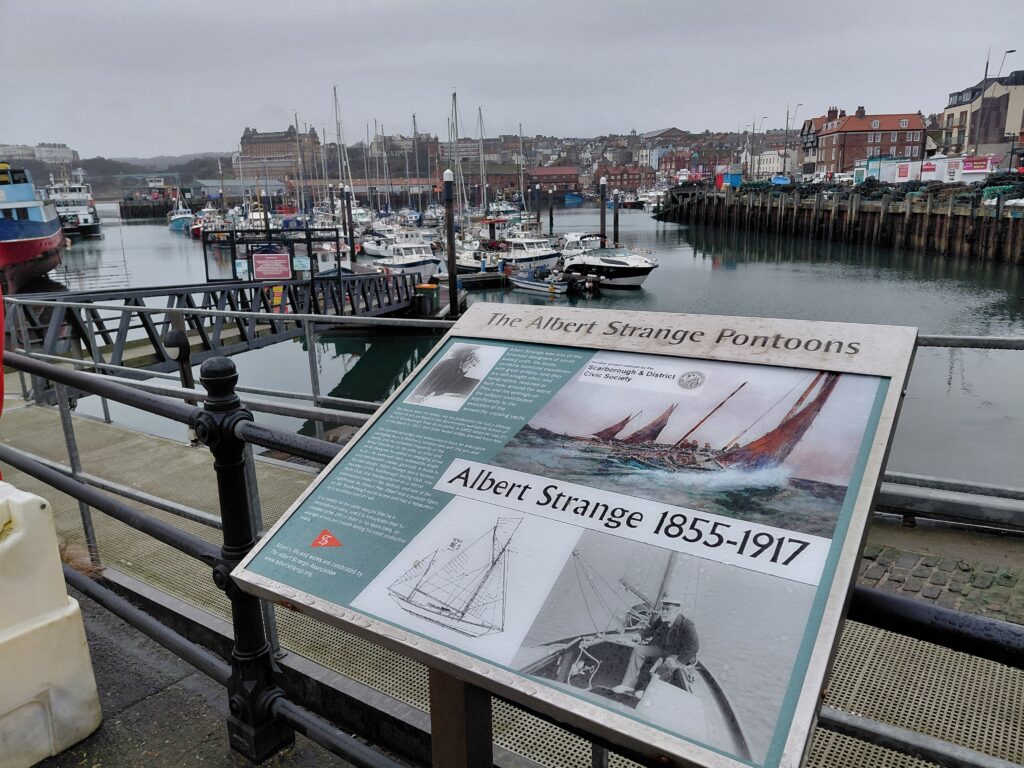
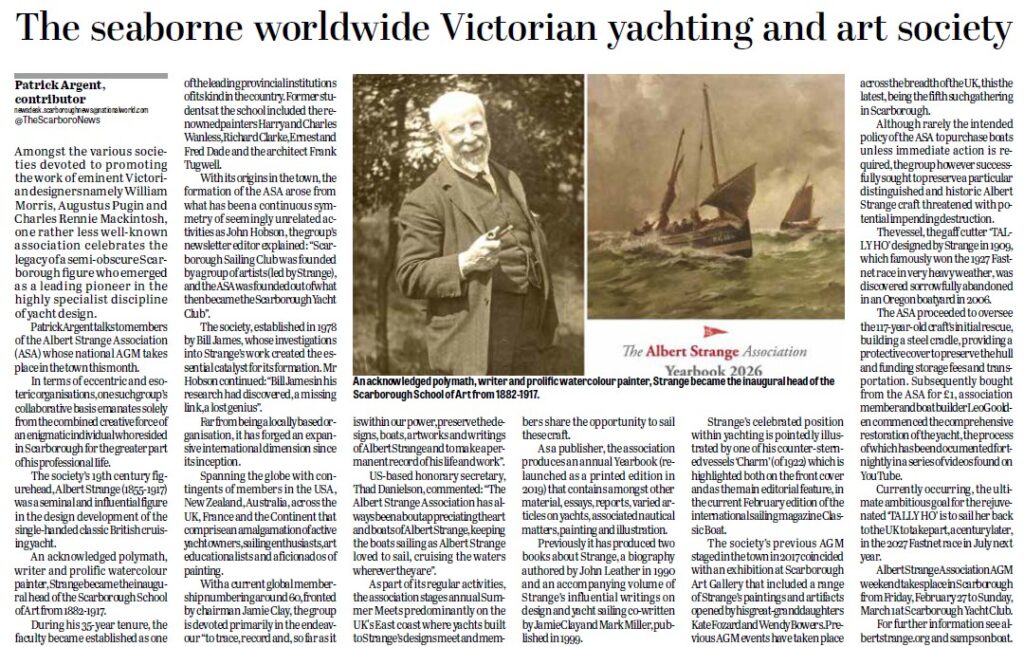
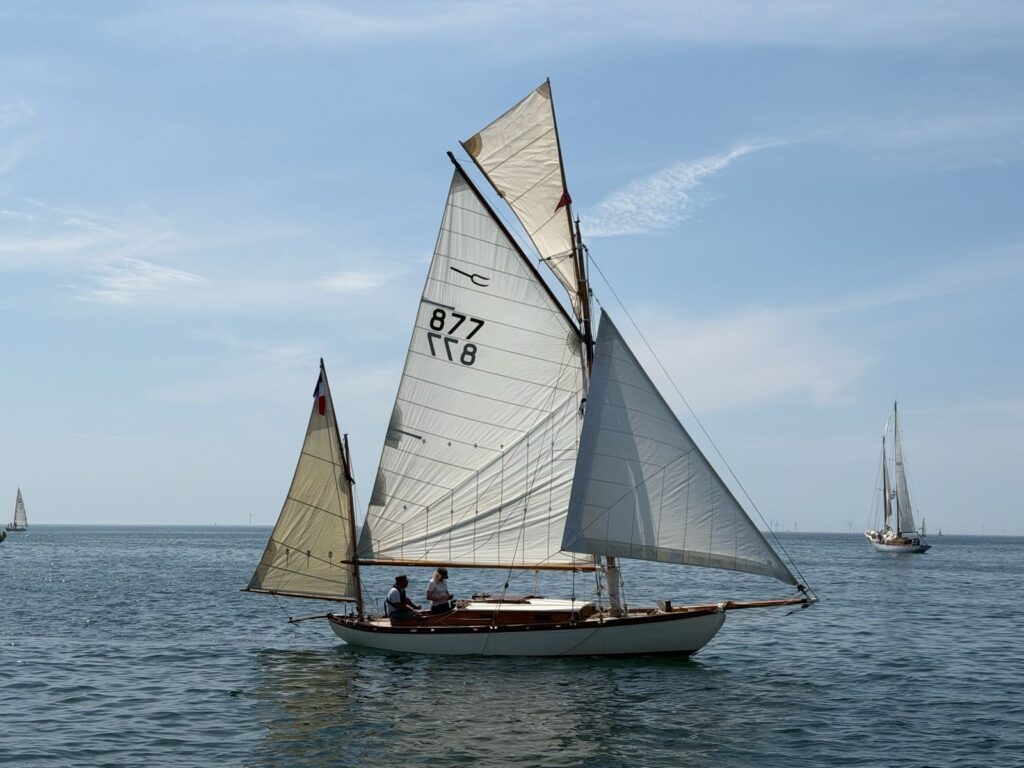
Sheila (1905) est le plus ancien plan Albert Strange en navigation. Ce petit yawl aurique est restée identique et intacte. C’est un témoignage de son temps, la Belle-Epoque, et des rêves des précurseurs de la navigation de plaisance.
If you think you know her already, but would like to see her just a bit again …
… this video is meant to present Sheila to more people like you, and also to the people in Brittany who are only discovering her.
Enjoy !
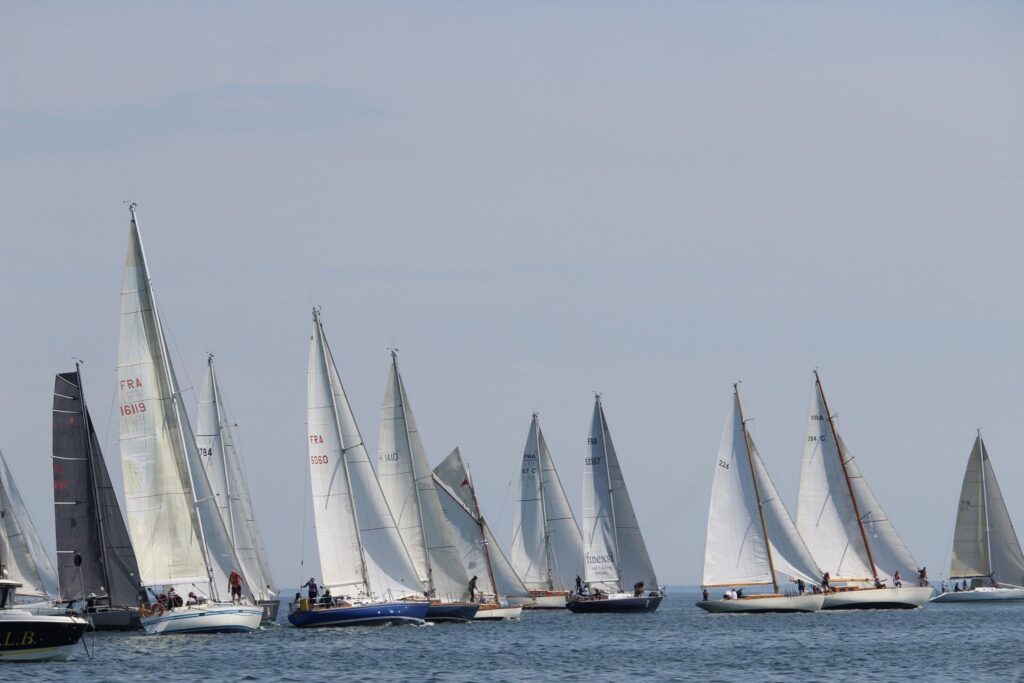
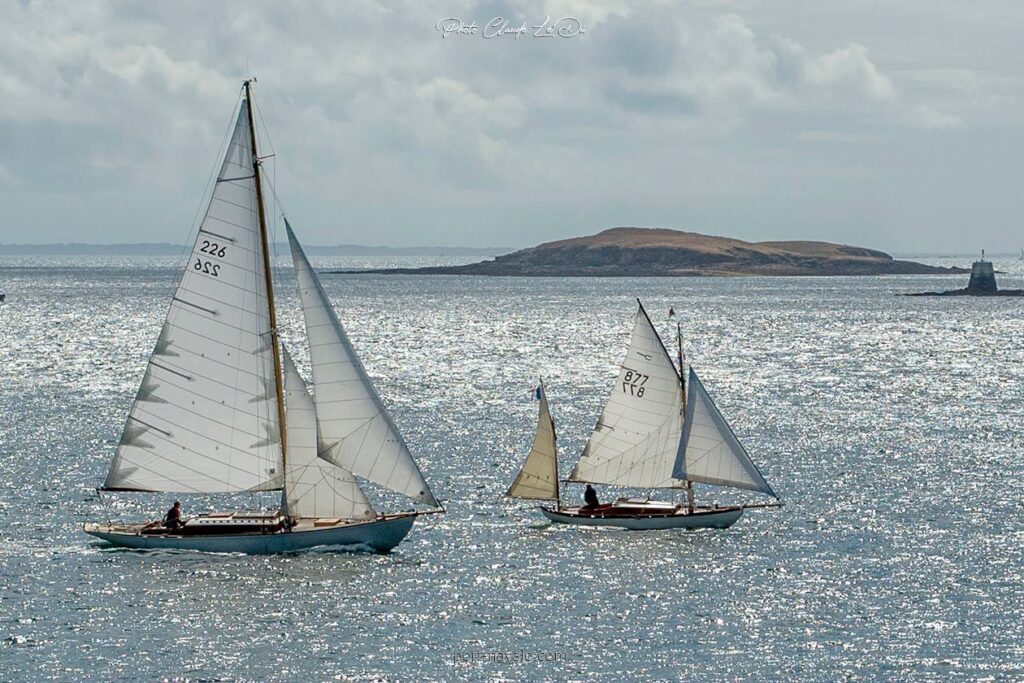
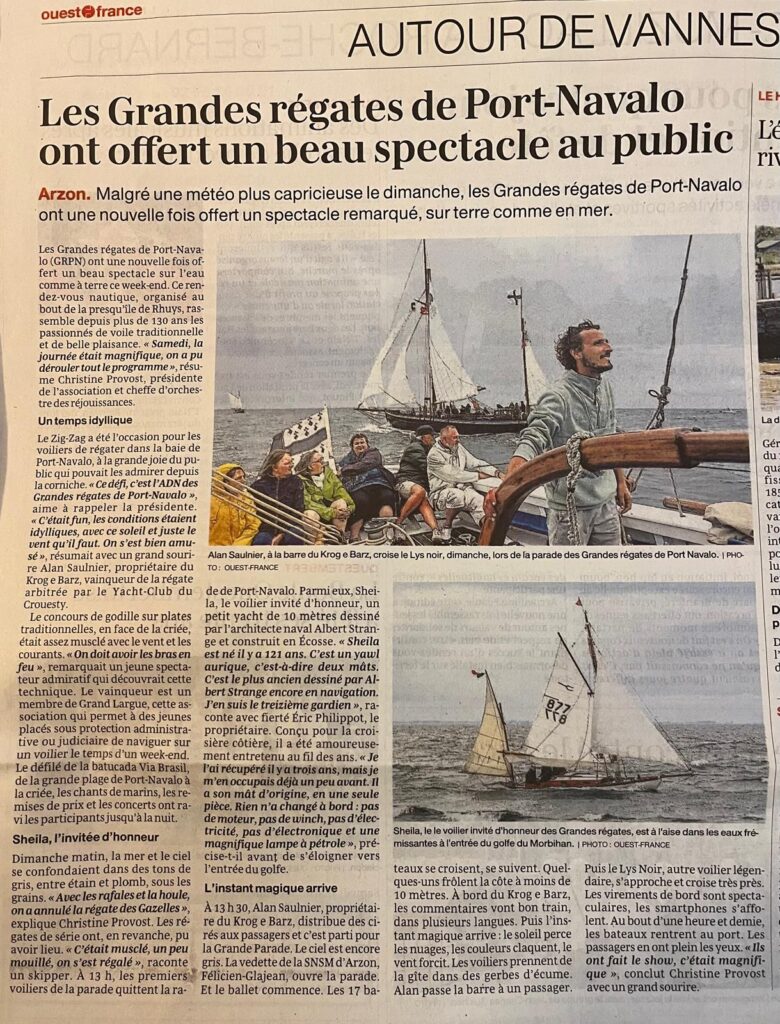
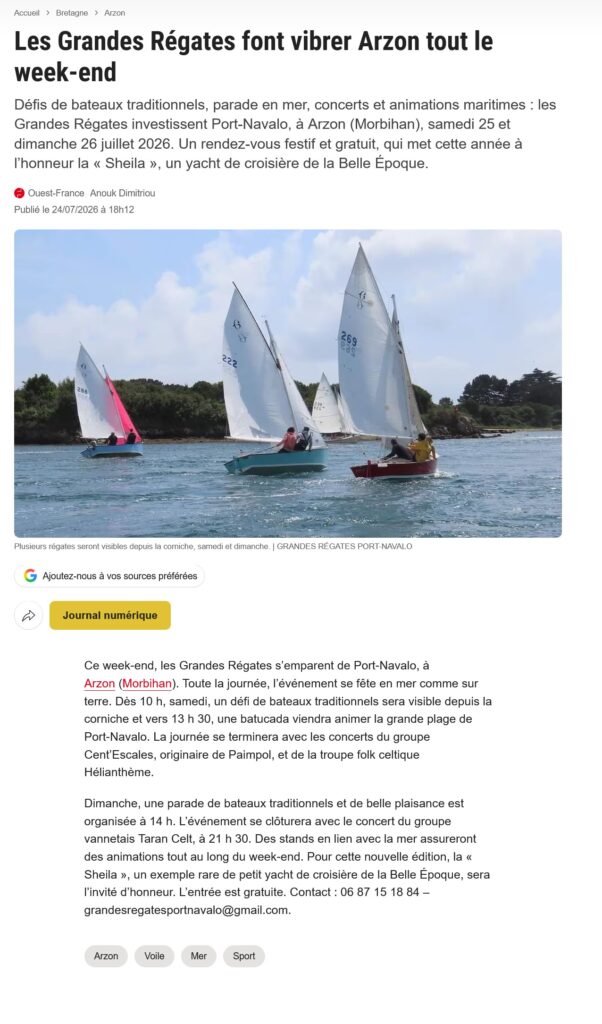
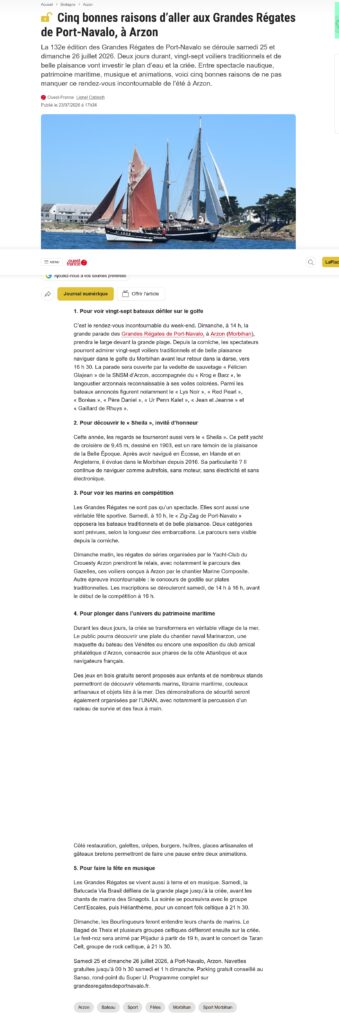
I am very proud and happy that the little canoe-yawl was distinguished and chosen by the team at “Grande Régates de Port-Navalo 2026″
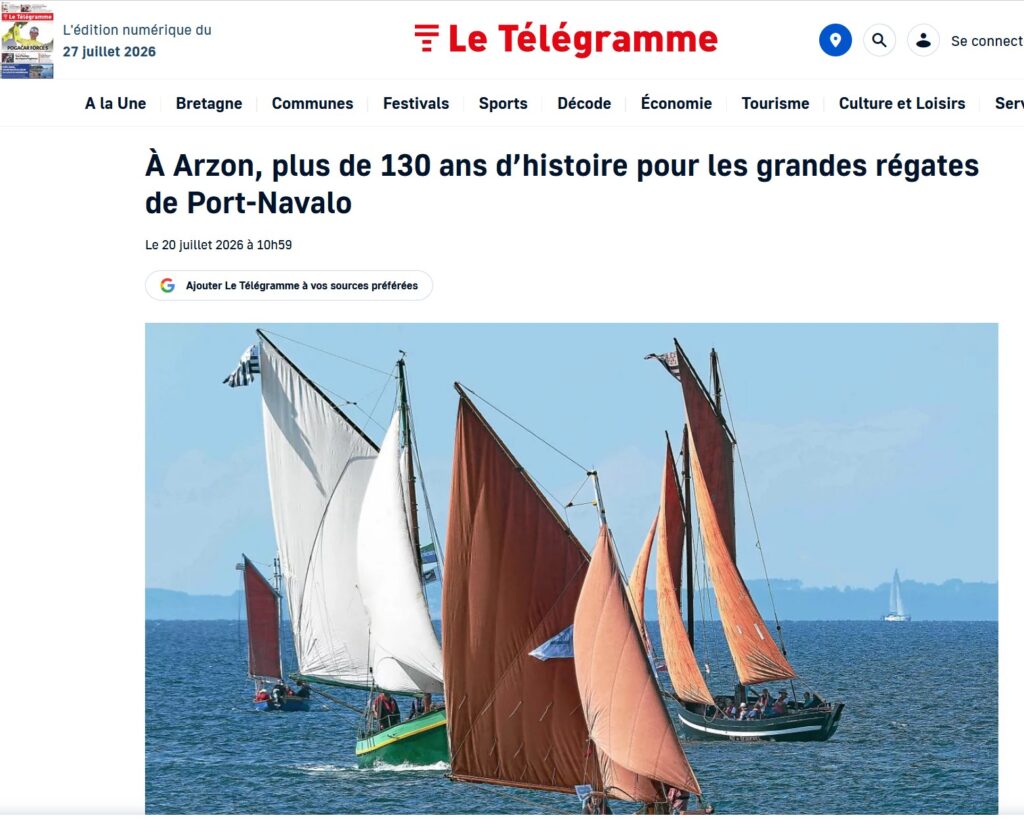
This yearly event was initiated on 30 June 1894 by Société des Régates de Vannes (SRV) and will take place on Saturday 25th and Sunday 26th of July.
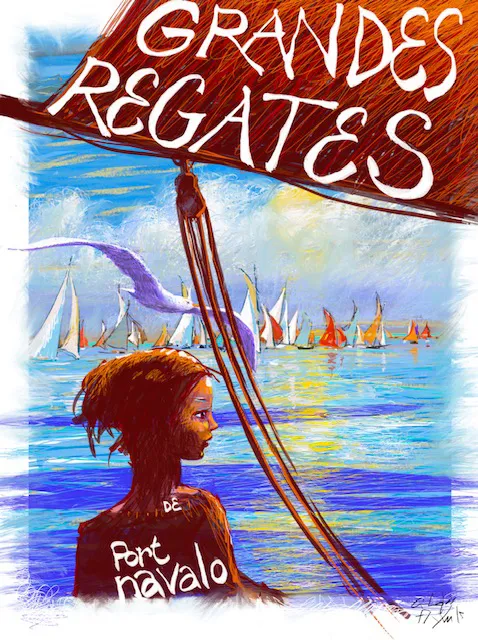
Many thanks !